Why Your Restaurant Needs More Than a Generic Ordering Page
Walk into any neighborhood and pull up three restaurant websites on your phone. Odds are, at least two of them look almost identical: the same white background, the same grid of menu items with tiny thumbnails, the same "Order Online" button that drops you into an ordering page indistinguishable from a hundred others. That sameness isn't an accident — it's the default when restaurants rely on generic point-of-sale platforms to be their entire digital presence.
The Hidden Cost of Looking Like Everyone Else
Toast, Square, and similar POS platforms are excellent at what they were built for: processing transactions, managing inventory, and running a kitchen. But their storefront pages are an afterthought — a functional checkout screen, not a brand experience. When your online ordering page looks exactly like the pizza shop two blocks away, you're training customers to make decisions on price alone. There's no story, no atmosphere, no reason to feel loyal.
Research from the National Restaurant Association consistently shows that diners who feel a personal connection to a restaurant spend 20–30% more per visit and return twice as often. That connection starts long before someone walks through your door. It starts the moment they Google your name and land on your website.
Brand Identity Drives Revenue
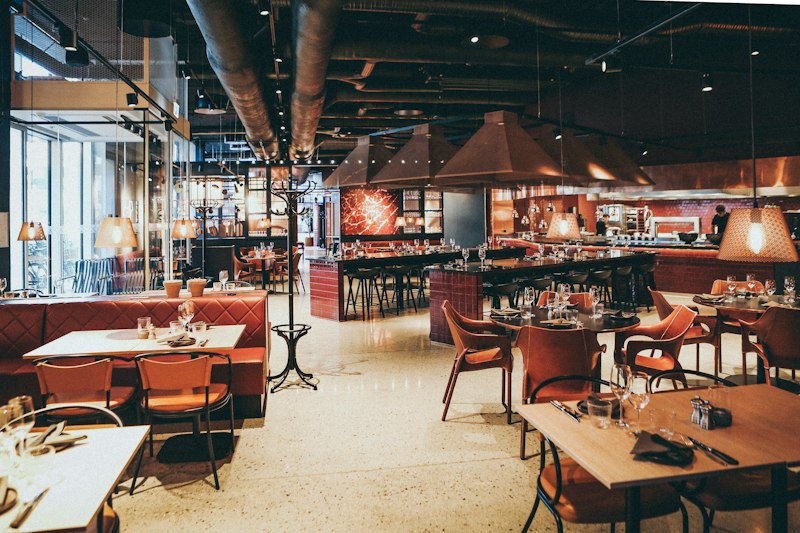
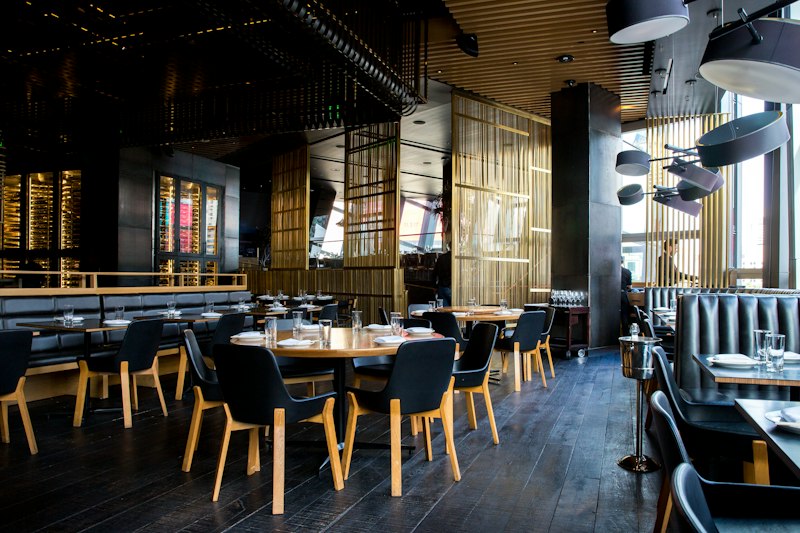
Think about the restaurants you love most. They have a vibe — an energy you can feel in the décor, the music, the way the menu is written. Your website should radiate that same energy. A Southern soul food restaurant should feel warm, rich, and inviting online, not sterile and corporate. A fine-dining establishment should convey elegance from the first pixel. A Caribbean spot should transport visitors before they've even tasted the food.
Generic ordering pages strip all of that away. They reduce your brand to a list of items and prices — essentially a spreadsheet with a checkout button. When a customer can't distinguish your online presence from a competitor's, you've lost the most powerful marketing asset you have: your identity.
SEO: The Silent Revenue Engine
Here's something most restaurant owners don't realize: Google rewards unique, content-rich websites with higher search rankings. When your "website" is just an embedded ordering widget from your POS provider, Google sees thin content with no unique value. That means you're invisible in local search results for terms like "best jerk chicken near me" or "fine dining downtown."
A proper restaurant website with dedicated pages for your story, your menu with descriptions, your gallery, your events, and your blog gives Google dozens of reasons to rank you above competitors. Each page is an opportunity to appear in search results for different queries. Over time, that organic traffic compounds into a steady stream of new customers who discover you without you paying a cent for ads.
The Mobile Experience Matters More Than Ever
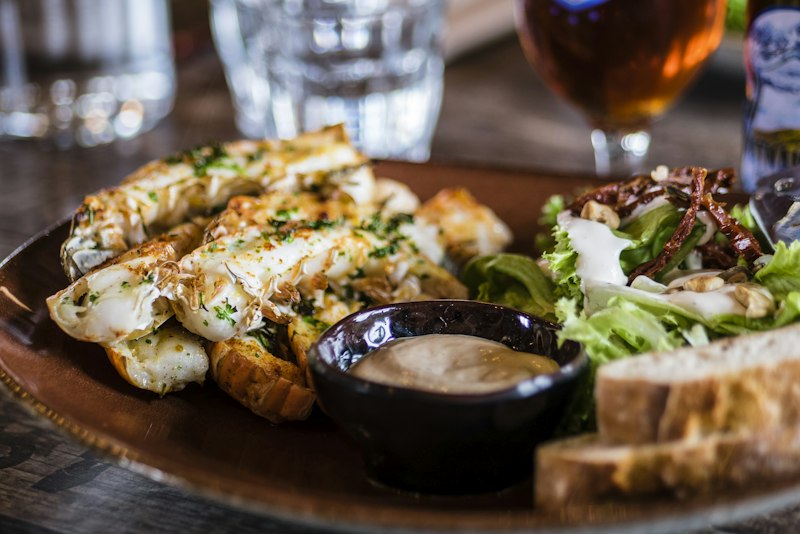
Over 75% of restaurant searches happen on mobile devices. When a potential customer finds you on their phone, you have about three seconds to make an impression. A generic ordering page with no imagery, no personality, and no brand presence will lose that customer to the next option in the search results. A beautifully designed mobile-first website with stunning food photography, your story, and seamless ordering keeps them engaged and converts them into a paying customer.
What a Proper Restaurant Website Looks Like
A restaurant website isn't a luxury — it's the digital front door to your business. At minimum, it should include:
- A branded homepage that immediately communicates who you are and what makes you special
- A visual menu with professional photography, descriptions, and easy online ordering
- An about page that tells your story — your roots, your passion, your team
- A gallery showcasing your food, your space, and your community
- Reservation and catering capabilities built into the experience
- Contact information and location that's easy to find on any device
The best part? You don't need a developer or a design agency to build this. Platforms like Pilond give you professionally designed, culturally-rich templates that you can customize in minutes — with online ordering, reservations, and payments built right in.
The Bottom Line
Your food is unique. Your story is unique. Your online presence should be too. Every day you operate with a generic ordering page, you're leaving money on the table — through lost customers, lower search rankings, and a brand that fails to connect. Investing in a proper website isn't an expense; it's the highest-ROI marketing decision most restaurants can make.