10 Restaurant Website Design Trends for 2026
The restaurant industry's digital presence has evolved dramatically over the past few years. What used to be a simple page with an address and phone number is now a full brand experience — one that can make or break a customer's decision to visit. Here are the ten design trends defining restaurant websites in 2026.
1. Immersive Food Photography
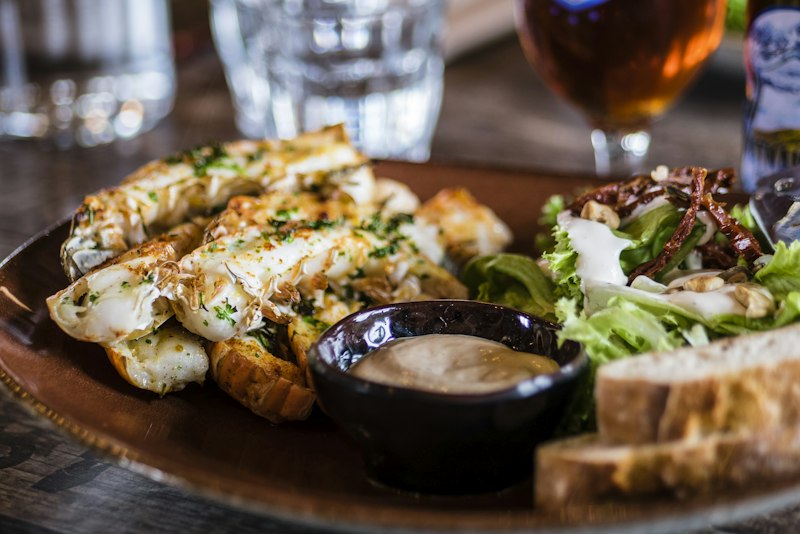
Gone are the days of small thumbnails next to menu items. The leading restaurant websites now use full-bleed, high-resolution food photography as a primary design element. Hero sections feature close-up shots that let you see the char on a grilled steak or the steam rising from a bowl of pho. This isn't just aesthetic — studies show that high-quality food images increase online order conversion rates by up to 30%.
2. Dark Mode Templates
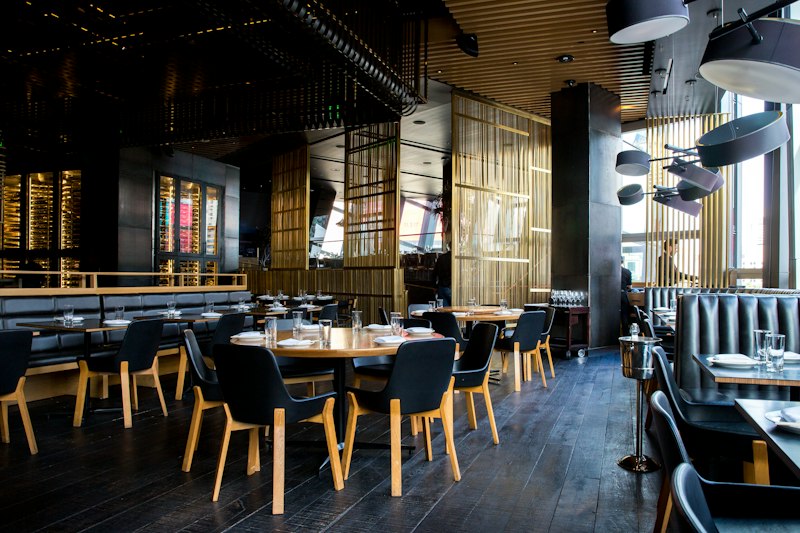
Dark backgrounds are dominating fine-dining, cocktail bars, and BBQ restaurants. Dark mode creates a sense of sophistication and luxury, makes food photography pop with vibrant contrast, and reduces eye strain for evening browsers. The best implementations use deep charcoals rather than pure black, with warm accent colors that feel inviting rather than stark.
3. Micro-Animations and Scroll Effects
Subtle animations bring restaurant websites to life without overwhelming visitors. Menu items that fade in as you scroll, parallax effects on hero images, hover states that reveal dish descriptions, and smooth page transitions all create a sense of polish and intentionality. The key is restraint — every animation should serve the experience, not distract from it.
4. Mobile-First Design
With over 75% of restaurant traffic coming from mobile devices, designing for desktop first and then adapting is backwards. The best restaurant sites in 2026 are designed mobile-first: large tap targets, thumb-friendly navigation, sticky order buttons, and layouts that feel native to the phone experience. Desktop layouts are still important, but they're the enhancement, not the starting point.
5. Storytelling Pages
Customers increasingly want to know the story behind their food. Where do the ingredients come from? Who's in the kitchen? What's the history of the cuisine? Dedicated "Our Story" pages with timeline layouts, founder photos, and narrative copy are becoming standard. These pages build emotional connection and give customers a reason to choose you over a competitor with a similar menu.
6. Video Backgrounds and Ambient Media
Short, looping video clips in hero sections — a chef plating a dish, a bartender crafting a cocktail, steam rising from a wood-fired oven — create an immersive first impression that static images can't match. The trick is keeping file sizes small with modern compression and providing a static fallback for slower connections.
7. AI-Powered Personalization
Restaurants are beginning to use AI to personalize the website experience. Returning visitors might see their favorite dishes highlighted, new menu items related to their past orders, or personalized recommendations. While still early, this trend is accelerating as platforms integrate AI tools that make personalization accessible without a data science team.
8. Accessibility as a Design Priority
Accessibility is no longer an afterthought. Restaurants are investing in proper color contrast ratios, screen reader compatibility, keyboard navigation, and alt text for food images. Beyond being the right thing to do, accessible websites rank better in search results and serve the 15–20% of the population with some form of disability — a significant customer base.
9. Speed Optimization
A one-second delay in page load time can reduce conversions by 7%. Restaurant websites in 2026 are prioritizing performance: optimized images served in next-gen formats like WebP and AVIF, lazy loading for below-the-fold content, minimal JavaScript bundles, and edge-deployed pages that load instantly regardless of the visitor's location. Speed isn't just a technical metric — it's a direct line to revenue.
10. Culturally-Rich Design
The most exciting trend is the move away from one-size-fits-all templates toward designs that reflect the cultural identity of the cuisine. A West African restaurant's website might feature bold geometric patterns and earthy color palettes. A Caribbean spot might use vibrant tropical colors and flowing layouts. A Japanese restaurant might embrace minimalism and generous white space. This cultural specificity creates authenticity that generic templates simply cannot replicate.
How to Stay Ahead
You don't need to implement all ten trends at once. Start with the fundamentals — great photography, mobile-first design, and fast loading times — and layer in storytelling, animations, and cultural design as you grow. The restaurants that invest in their digital presence now will be the ones capturing market share for years to come.