How to Increase Online Orders by 40% with Better Food Photography
Here's a stat that should stop every restaurant owner in their tracks: menu items with professional photos receive up to 40% more orders than items without images. That's not a marginal improvement — it's the difference between a good month and a great one. Yet the majority of restaurant websites and online menus either have no food photos at all, or use images so poorly lit and composed that they actually hurt sales.
The good news? You don't need a $5,000 photography budget to dramatically improve your food imagery. Here's a practical guide that works whether you're shooting with a professional camera or the phone in your pocket.
Lighting Is Everything
The single biggest difference between appetizing and unappetizing food photos is lighting. Overhead fluorescent lights — the kind found in most commercial kitchens — cast flat, greenish light that makes food look institutional. Natural light, on the other hand, makes food look alive.
Set up a shooting area near a large window. The best light is indirect: bright but not direct sunlight, which creates harsh shadows. Overcast days are actually ideal for food photography because the clouds act as a giant softbox, creating even, diffused light. If you must shoot in the evening or in a windowless space, invest in a simple LED panel light (around $30–50) and bounce it off a white wall or ceiling.
Angles That Sell
Different dishes look best from different angles, and knowing which to use is half the battle:
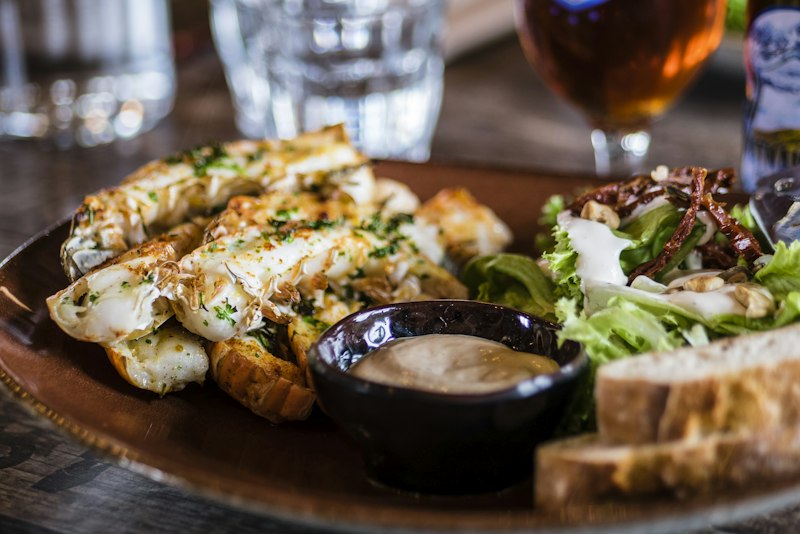
- 45-degree angle: The most versatile and natural angle. Use this for burgers, sandwiches, bowls, and plated entrées — anything with height and layers you want to showcase.
- Overhead (flat lay): Perfect for pizzas, salads, grain bowls, and table spreads. This angle shows the full composition and works beautifully for sharing platters.
- Straight-on: Ideal for stacked items like pancakes, layered cakes, and tall cocktails where you want to emphasize height and layers.
The mistake most people make is shooting everything from the same angle. Vary your approach based on the dish, and your menu will feel dynamic rather than repetitive.
Backgrounds and Surfaces
A cluttered or distracting background can ruin an otherwise great food photo. Keep it simple: a clean wooden surface, a marble countertop, a dark slate board, or even a simple linen napkin. The background should complement the food, not compete with it.
Invest in two or three background surfaces. A warm wood board works for rustic dishes, a white marble surface works for elegant plating, and a dark surface makes colorful dishes pop. You can buy photography backdrop boards online for under $20, and they'll pay for themselves many times over.
Props and Styling
Strategic use of props adds context and appetite appeal. A few scattered herbs, a drizzle of sauce on the plate rim, a rustic bread basket in the background, a glass of wine next to a steak — these elements tell a story and help the viewer imagine the full dining experience.
Rules for props: less is more, keep them slightly out of focus so the food remains the hero, and use items that are contextually relevant. A pair of chopsticks makes sense next to a ramen bowl but not next to a cheeseburger.
Consistency Across Your Menu
One of the most overlooked aspects of food photography is consistency. When customers browse your online menu, the photos should feel like they belong together — similar lighting, similar styling, similar quality. A menu where some items have professional photos, others have dark smartphone shots, and others have no image at all looks unprofessional and erodes trust.
Set aside one session to photograph your entire menu at once. This ensures consistent lighting and styling. When you add new dishes, recreate the same setup so the new photos match the existing ones.
Smartphone Tips That Actually Work
If you're shooting with a phone, these adjustments will make a noticeable difference:
- Clean your lens — it sounds obvious, but a smudged phone lens is the most common cause of hazy food photos
- Use the 2x zoom (or stand back and crop) to avoid wide-angle distortion that makes plates look warped
- Tap to focus on the food and slide to adjust exposure slightly brighter — food almost always looks better a touch over-exposed
- Use portrait mode for plated dishes to get a soft background blur that draws attention to the food
- Edit in post: bump up warmth slightly, increase saturation by 10–15%, and add a touch of contrast. Most phone editing tools can do this in under a minute.
When to Hire a Professional
For your hero images — the homepage banner, the top three or four signature dishes, and any images used in advertising — hiring a professional food photographer is worth every penny. Expect to pay $300–800 for a half-day shoot that yields 15–25 final images. Those images will be the face of your brand for months or years, and the ROI in increased orders dwarfs the upfront cost.
For the rest of your menu, well-executed smartphone photos using the techniques above will serve you well. The combination of professional hero shots and consistent smartphone menu photos is the sweet spot for most restaurants.
The Takeaway
Food photography isn't a nice-to-have — it's one of the highest-impact investments a restaurant can make in its online presence. Better photos mean more orders, higher average tickets, and a brand that looks as good online as your food tastes in person. Start with lighting, be intentional about angles, keep it consistent, and watch your numbers climb.